-
Combating Burnout Among Healthcare Workers: A Critical Imperative
By Edward I.O. Sakwe, RN, BSN

Breckenridge, CO
In the serene landscapes of Colorado, two nurses known affectionately as The Boss and The Real Boss embarked on a rejuvenating vacation to Glenwood Springs on January 7, 2024. Their journey, symbolizing over a decade of steadfast friendship amidst the rigors of their profession, was a testament to the resilience and spirit of healthcare workers everywhere. Their adventure through the picturesque towns of Breckenridge, Frisco, Copper Mountain, Beaver Creek, and Vail culminated in a stay filled with moments of tranquility, adventure, and reflection in Glenwood Springs. This brief respite from their demanding roles offered them a much-needed recharge, highlighting the profound impact of rest and disconnection from work on mental and emotional well-being (Maslach, Schaufeli, & Leiter, 2001; WHO, 2019).
Healthcare workers, the silent heroes in our communities, consistently go above and beyond to provide compassionate care, often at great personal sacrifice. Their daily encounters with trauma, illness, and the fragility of life, while fulfilling, also exact a heavy toll. Many navigate financial constraints, extended work hours, and personal challenges, all while maintaining a steadfast commitment to their patients (Shanafelt, Hasan, & Dyrbye, 2012). However, this dedication can lead to burnout, characterized by emotional exhaustion, cynicism, and a diminished sense of personal accomplishment, posing significant risks to both healthcare providers and the quality of care they offer (Maslach et al., 2001). The global healthcare workforce crisis, exacerbated by the COVID-19 pandemic, underscores the urgency of addressing burnout not just to retain but to nurture the well-being of these indispensable members of society (WHO, 2020).

Addressing healthcare worker burnout requires a multifaceted approach. Organizational strategies, including supportive leadership, acknowledgment of workers’ efforts, and the creation of environments that promote work-life balance, are crucial (Bass, 1985; Greenleaf, 1977). Additionally, policies that address the root causes of stress, such as staffing shortages and inadequate compensation, along with access to mental health resources, can mitigate the effects of burnout (Shanafelt, Goh, & Sinsky, 2017). On a personal level, healthcare workers can benefit from strategies that enhance resilience, such as mindfulness, physical activity, and seeking social support, to manage stress and prevent burnout (Kabat-Zinn, 1990; Mealer et al., 2014).
The narrative of The Boss and The Real Boss serves as a poignant reminder of the importance of acknowledging and addressing the challenges faced by healthcare workers. Their story, while unique, mirrors the experiences of many in the healthcare field, emphasizing the need for systemic changes to support the health and well-being of those who dedicate themselves to caring for others. By fostering a culture of appreciation, support, and respect, we can help ensure that healthcare workers receive the care and recognition they deserve, ultimately leading to a healthier society for all.
References:
- Bass, B. M. (1985). Leadership and performance beyond expectations. Free Press.
- Greenleaf, R. K. (1977). Servant leadership: A journey into the nature of legitimate power and greatness. Paulist Press.
- Kabat-Zinn, J. (1990). Full catastrophe living: Using the wisdom of your body and mind to face stress, pain, and illness. Delacorte.
- Maslach, C., Schaufeli, W. B., & Leiter, M. P. (2001). Job burnout. Annual Review of Psychology, 52, 397-422.
- Mealer, M., Jones, J., Newman, J., McFann, K. K., Rothbaum, B., & Moss, M. (2014). The presence of resilience is associated with a healthier psychological profile in intensive care unit (ICU) nurses: Results of a national survey. International Journal of Nursing Studies, 51(3), 290-299.
- Shanafelt, T. D., Goh, J., & Sinsky, C. A. (2017). The business case for investing in physician well-being. JAMA Internal Medicine, 177(12), 1826-1832.
- Shanafelt, T. D., Hasan, O., Dyrbye, L. N., Sinsky, C., Satele, D., Sloan, J., & West, C. P. (2012). Changes in burnout and satisfaction with work-life balance in physicians and the general US working population between 2011 and 2014. Mayo Clinic Proceedings, 90(12), 1600-1613.
- World Health Organization (WHO). (2019). Burn-out an “occupational phenomenon”: International Classification of Diseases. Retrieved from https://www.who.int/news/item/28-05-2019-burn-out-an-occupational-phenomenon-international-classification-of-diseases
- World Health Organization (WHO). (2020). The impact of COVID-19 on health and care workers: A closer look at deaths. Retrieved from https://www.who.int/publications/i/item/WHO-2019-nCoV-Sci-Brief-Health-care-workers-2020.1
-
Importance of Exercise to the Elderly
By Edward I.O. Sakwe, RN, BSN

http://www.careasone.com How many times have you woke up in the morning feeling like crap, exhausted, low energy, not wanting to go to work or do anything at all? Well to your biggest surprise, that’s every day for the elderly. As you age, your body ages, your mind also age, you lose strength, energy, appetite, interest in many things including sex, weekly hobbies, taking part in club meetings, vacationing, and a host of other things. It is also possible that during this time, your body have seen the better part of itself, and it’s now going through maintenance with very little options for repairs and full recovery based on your genetics and lifestyles as a youth and as an adult, which may come with comorbidities such as high blood pressure, diabetes, kidney failure, liver cirrhosis, osteoarthritis, congestive heart failure, depression, cancer, stroke, obesity and a host of others.
At this point in your life, you may not really be asking yourself or your 80-year-old parent or grandparent to start making new lifestyle changes, because as you know, it may take just a few months to form a habit, but it may take you the rest of your life to break away from the habit.
Which means if your parent or grandparent have been used to, for the past 40 years to smoke 1 pack of cigarettes a day, or drink 12-pack of beer a day, it could be very difficult if not impossible for you to convince him that cigarettes or beer is bad for him, otherwise you may get response like ” I have been doing this for 40 years now, and I’m still alive, by the way, something must kill a man, what about the kid who got killed yesterday in the mall by the serial shooter, was it cigarette that he was smoking that got him killed?”.
The truth is that whatever the behavior or habit or medical condition our parents have, we may not be able to do much about it to save them from it, besides making sure they are getting all the medical attention they need and are being monitored closely by a medical professional. However, we could be able to make a small difference in their mental and physical health by helping them incorporate simple 5-minute exercises into their daily routine. Something they may enjoy doing, that they could look forward to in the morning when they wake up. It doesn’t have to be for 30 minutes a day; they’re not trying to compete in the Olympics. We could come up with short and simple exercises that could take 5 minutes for them to do without going to a gym, and make it fun for them, something they could be able to do 2 to 3 times a day, in the morning before or after breakfast and at night before they go to bed, or before or after each meal.
When designing such exercises, asking ourselves what we are trying to accomplish may guide us to choose what kind of exercise would be right for them, and sometimes it could be helpful if to do these exercises with them at least in the first few days to get them into the routine. For example, your mom was able to walk to the bathroom by herself, but since she came back from the hospital after her 21-day stay due to COVID 19, you realize she’s been asking for help with transfer to get out of bed, and she’s also asking for her wheelchair instead of her walker. This kind of a situation will be a red flag to tell you that your mom has lost some strength and may need some physical therapy to get her back or close to her baseline prior to hospitalization. The best thing to do in this case will be to contact her primary care physician and request for a referral for her to see a physical therapist for evaluation and treatment.

http://www.thetrainingroom.com Once she gets evaluated, the therapist will be able to design a treatment plan on how to help your mom regain her strength back, and also share with you some common exercises that you could do with her at home to help speed up recovery. Most of these exercises are designed such that you can do them in blocs of 5 minutes at a time multiple times a day without necessarily putting too much stress on the resident or patient. Assisting your mom with these exercises’ multiple times a day, every day, could be the difference between keeping your mom at home or moving her into a rehab or long-term care facility.
Besides regaining strength, there are also a lot of other benefits that comes with daily exercise routines as they exercise daily. The regain their strength back, their mood and appetite improves, they start feeling better about themselves, they begin to see the need to do more for themselves and take part in other activities knowing that they will no longer be too much of a burden to their children, the grandchildren, or the care givers taking care of them. All of these positive changes put a bright smile on their face, because they can once again be able to do most if not all of the things, they used to be able to do for themselves, and all it took was just 5 minutes of compassionate care.
-
The Evolving Concept of Health: A Personal Reflection Across Cultures and Life Stages
By Edward I.O. Sakwe, RN, BSN
Health is an inherently complex term to define, especially in today’s interconnected 21st century where people are often more connected through technology and social media than in person. The evolution of the understanding of health has been influenced by culture, economics, personal experiences, and social norms. Growing up in Cameroon, health was not a concept I consciously pondered. It was intertwined with everyday activities like food and play. As I transitioned into adulthood, moved across countries, and encountered different socio-cultural contexts, my understanding of health became more nuanced, reflecting the intricate relationship between well-being and one’s environment, state of mind, and socio-economic factors.
Health in Childhood: A Simplicity of Needs

As a child in Cameroon, my concept of health was incredibly simple. Like many children, my primary needs were food and play. If I could eat when I was hungry and spend my day playing, I felt I was in top health. According to developmental psychology, children often associate well-being with their ability to engage in activities they enjoy, such as playing with friends. The World Health Organization (WHO) describes health as “a state of complete physical, mental and social well-being and not merely the absence of disease or infirmity” (WHO, 1948). As a child, however, I did not have the capacity to think about my health in such holistic terms. My only concern was to avoid disruptions to my playtime.
When I occasionally fell ill, my focus was not on regaining health for its intrinsic value but on recovering enough to return to my games. This perception is common among children, for whom play is an essential part of physical, emotional, and cognitive development. Research supports this view, indicating that play is critical for social skills and cognitive development (Ginsburg, 2007). During this time, I only had vague, indirect interactions with sickness. I saw other children cry because they were sick, and I occasionally visited the hospital, but illness was not a central theme in my life. Health, to me, was an unspoken, unexamined condition that allowed me to engage fully in the activities that brought me joy.
Adolescence: A Shift in Perspective on Health

As I grew older and transitioned into high school, my awareness of health began to deepen, though it was still tied largely to my external observations of others rather than introspection. I started noticing how sickness affected not only the patients but also their families. In particular, I observed the anguish on the faces of parents, especially mothers, who worried about affording medications for their children.
This was my first encounter with the socioeconomic aspect of health. In Cameroon, as in many developing nations, healthcare access is often limited, and the ability to afford necessary treatment can be the difference between life and death. The World Bank and WHO estimate that at least half of the world’s population lacks access to essential health services, and approximately 100 million people are pushed into extreme poverty due to health expenditures (World Bank, 2017). For the families I witnessed, the cost of healthcare introduced an additional layer of stress, compounding the emotional toll of having a sick child.
This phase in my life highlighted the intersection of health and economics. Health was no longer just about the ability to avoid illness but also about having the financial means to seek treatment and alleviate suffering. This realization led me to a more complex understanding of health as not just a biological state but also one shaped by external factors like access to medical care and the ability to afford it.
College and the Emergence of Fear Around Health

My transition to college brought about a new understanding of health, particularly through my exposure to the global AIDS epidemic. For the first time, I was confronted with the notion of a disease that could not be easily cured or treated. As college students, my peers and I were deeply afraid of contracting AIDS, a disease that threatened not only our immediate well-being but also our entire futures.
The fear of AIDS was deeply rooted in the stigma surrounding the disease during the late 20th century. At that time, there was limited information available about HIV/AIDS, and the lack of a cure made it seem like an imminent death sentence. We were young, and we had dreams for our future. AIDS, which disproportionately affected young adults during its peak, seemed to steal that future away. Studies have shown that the fear of contracting incurable diseases like HIV/AIDS significantly impacts people’s perceptions of their health, sometimes leading to anxiety and stigma (Herek, 1999). This period of my life represented a significant shift in my understanding of health as something that could not only be lost to illness but also something that could be permanently altered or ended by a single disease.
A New Cultural Context: Health in the United States

After moving to the U.S., my understanding of health shifted once again as I observed the lifestyles and attitudes of people at a ski resort in Breckenridge, Colorado. The people I encountered seemed to live on a different spectrum of life. They were constantly busy with recreational activities like skiing, snowboarding, drinking, and socializing. Their lives appeared vibrant and full of joy. Even when injuries occurred on the slopes, people took them in stride, almost as if they were expected. This level of nonchalance toward injury was foreign to me, coming from a background where even minor illnesses could evoke significant concern due to the cost and access to care.
In Breckenridge, health seemed more closely associated with the ability to engage in physical activities and maintain a positive mindset rather than merely the absence of illness. This aligns with research that suggests health is often viewed differently in wealthier nations, where physical fitness and mental well-being play a larger role in the cultural conception of health (Whitehead, 1992). In these environments, health often revolves around personal fitness, lifestyle choices, and resilience, rather than just medical treatments and disease prevention.
Health as a State of Mind

Through these diverse experiences, I have come to realize that health is more of a state of mind than simply the presence or absence of disease. In Cameroon, where access to medical care is limited, health was often viewed in terms of survival, financial capacity, and the ability to function despite illness. In contrast, in the U.S., health is often seen as a resource that supports an active, fulfilling lifestyle. The WHO definition of health as not just the absence of disease but as a state of complete physical, mental, and social well-being, aligns more with my perception of health as observed in Breckenridge, where well-being was closely tied to lifestyle, activity, and mental outlook.
In conclusion, my understanding of health has evolved dramatically over time. It has shifted from a simplistic childhood notion of being able to play without disruption, to a more complex recognition of health’s economic, emotional, and social dimensions. Observing the impact of illness on families in Cameroon, experiencing the fear of AIDS as a young adult, and witnessing the vibrant, active lives of people in the U.S. has led me to a more holistic view of health.
This brings me to the conclusion that health is Ultimately not just about avoiding illness; it is a state of mind, influenced by one’s socio-cultural environment, economic standing, and personal outlook on life.
References
- Ginsburg, K. R. (2007). The Importance of Play in Promoting Healthy Child Development and Maintaining Strong Parent-Child Bonds. Pediatrics, 119(1), 182-191. https://doi.org/10.1542/peds.2006-2697
- Herek, G. M. (1999). AIDS and Stigma. American Behavioral Scientist, 42(7), 1106-1116. https://doi.org/10.1177/0002764299042007004
- Whitehead, M. (1992). The Concepts and Principles of Equity and Health. International Journal of Health Services, 22(3), 429-445. https://doi.org/10.2190/986L-LHQ6-2VTE-YRRN
- World Bank. (2017). Tracking Universal Health Coverage: 2017 Global Monitoring Report. World Health Organization. https://www.who.int/news-room/fact-sheets/detail/universal-health-coverage-(uhc)
-
The Loneliness of Life
By Edward I.O. Sakwe, RN, BSN
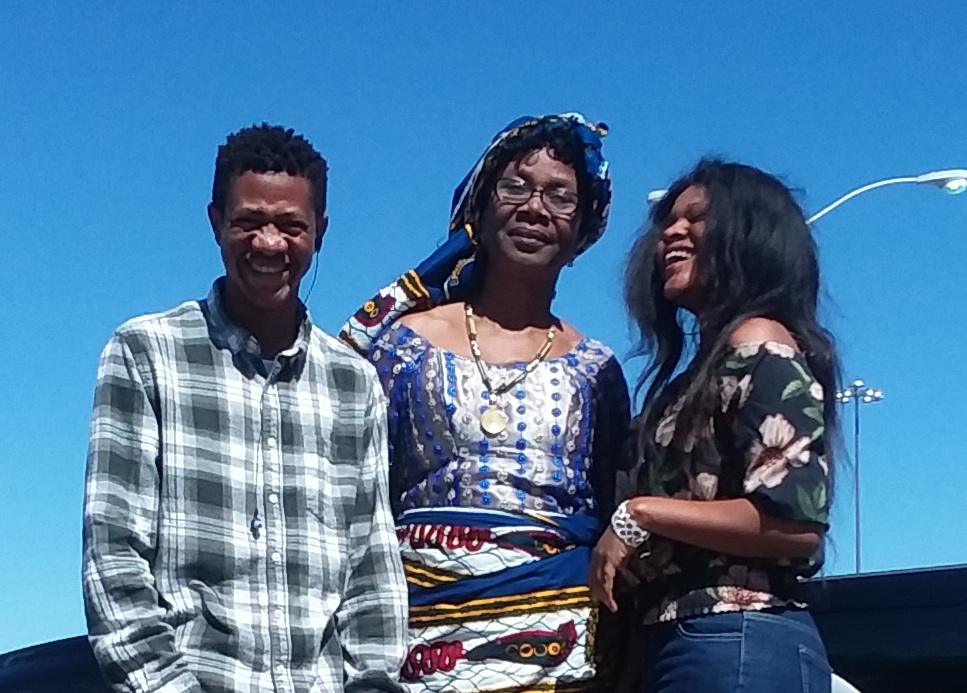
Anna Sakwe and her lovely kids How many times have you gone to bed at night feeling sad and depressed, like nobody knows or care if you exist, or saying to yourself this life is not worth living anymore? When was the last time your phone rang, and it was a friend or family member calling to just check on you, to find out how you’re doing, and to ask if you need anything, or if they can come over for a short visit, to watch a movie with you, or for you both to fix dinner together?
Even though the world’s population keep increasing every year, the percentage of people who claim to be lonely is also increasing each year. People continue to grow farther apart from each other every year. Suicide rates are on the rise, family feuds, and divorce are also on the rise. People are beginning to focus more and more on the things of this life rather than focusing more on what matters the most which is family.
As a healthcare worker, you experience firsthand how lonely life could be, especially for our senior citizens living in health care institutions. some will tell you “I have no family”, “I don’t want to border them”, “they have their own things to worry about” “they all live out of state”. The truth is our parents should never at any point in their life consider themselves a burden to us or be left feeling lonely. They brought us into this world, they raised us even in the toughest of times. They stayed awake most nights watching us sleep and wondering what tomorrow will be like, what we’re going to eat, or wear, or how we’re going to get to school, or worry about the prognosis of the diagnosis the doctor just gave, or how to get us on the list because our kidneys or liver, or heart is failing. They worked hard tirelessly day in, day out to care for us, they are our heroes, the least we can do for them is to make time for them.
Our parents understand better than anyone else how busy life is for us, juggling between our spouse, our kids, our jobs, and the home renovation project we are constantly working on. They are not asking us for much, all they’re asking is to take 5 minutes of our time in that busy schedule of ours to check on them. To call and say “hey mom, this is Nanje, I’m just calling to check on you, to see how you’re doing. To ask them what they’ve done that day or what they got planned for the day. To ask about their nutrition, are they eating well, when was the last time the doctor saw them, are they hurting, are they still able to perform their usual day-to-day activities, are they needing more help getting dressed, is there something they need that you can get for them?” Tell them you Love them.
They need to know that someone out there knows they exist and cares compassionately about them. If they can wake up every morning feeling this way and go to bed every night feeling this way, then no matter what their medical conditions are, or their prognosis is, they will always have a free smile on their face because they know deep inside that they are not alone, and that there is a purpose for them to keep living.
-
The Sense of Belonging
By Edward I.O. Sakwe, RN, BSN

The Real Health Benefits of Smiling and Laughing | SCL Health “Is the world still out there?” is a question asked on May 12, 2020 by Mrs. Hugo, a 98 year old resident when the nurse went into her room to administer her morning meds.
If you’re in your 50s or younger, such a question may sound funny and far-fetched to you, but for our elderly citizens especially those age 80 and beyond, as well as those living beyond their “used by date” as described by another resident, such question is normal to them. They often feel forgotten, or abandoned by the world or their family members, they feel at times like they are a burden to the society because they do not have anything left to offer the world.
Our elderly parents on most days of the week go to bed at night feeling like nobody knows or care if they exist, they feel like life is not worth living anymore. Some of them could not remember the last time their phone rang, and it was a friend or family member calling just to check on them to see how they’re doing, and to ask if they need anything, or if they can come over to visit with them.
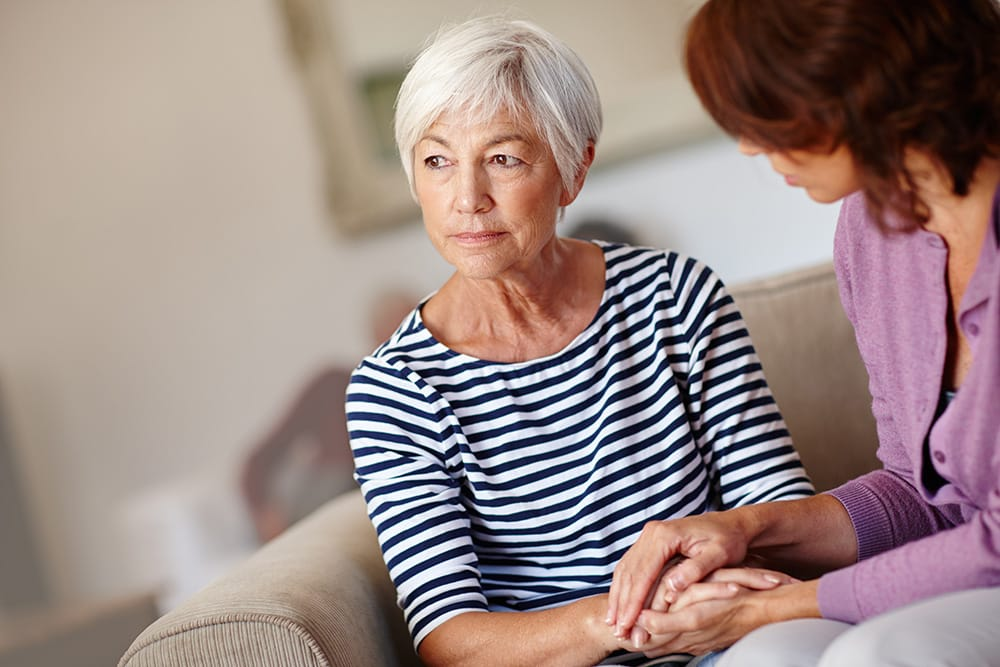
Geriatric Depression: Signs & Treatment for the Elderly | Dallas Behavioral As a healthcare worker, you experience firsthand how lonely life could be especially for our seniors, some will tell you “I have no family”, or “I don’t want to border them”, “they have their own things to worry about”. The truth is, our parents should never at any point in their life consider themselves a burden to us, or a menace to society, they brought us into this world, they raised us even in the toughest of times. They stayed awake most nights watching us sleep and wondering what tomorrow will be like, what we going to eat, or wear, or how we’re going to get to school, or worry about the prognosis of the diagnosis the doctor just gave, or how to get us on the list because our kidneys or liver, or heart is failing.
They are our heroes, the least we can do for them is to make time for them, they understand better than anyone else how busy life is for us, juggling between your spouse, your kids, your job, or the home renovation project we are working on. They are not asking for much from us, all they’re asking is for the healthy5 minutes of our time each day or every week. Just call and say “hi mom, this is Nanje, I’m just calling to check on you, to see how you’re doing, ask them what they’ve done that day or what they got planned for the day, ask about their nutrition, are they eating well. When was the last time the doctor saw them, are they hurting, are they still able to perform their usual day to day activities, are they needing more help getting dressed, is there something they need that you can get for them?”. Tell them you Love them. They need to know that the world still exists, and that there is still someone out there who knows they exist, and still care about them. It puts a smile on their face and gives them a sense of belonging when they go to bed at night and when they wake up in the morning. It enhances their feeling of a purpose to keep on living.
As children and grandchildren, we should never be too busy to a point where we forget about our parents or grandparents and their wellbeing, because they will never forget about us. As a matter of fact, we are all they have, we are all they think about, and we are the only thing that matters most to them.
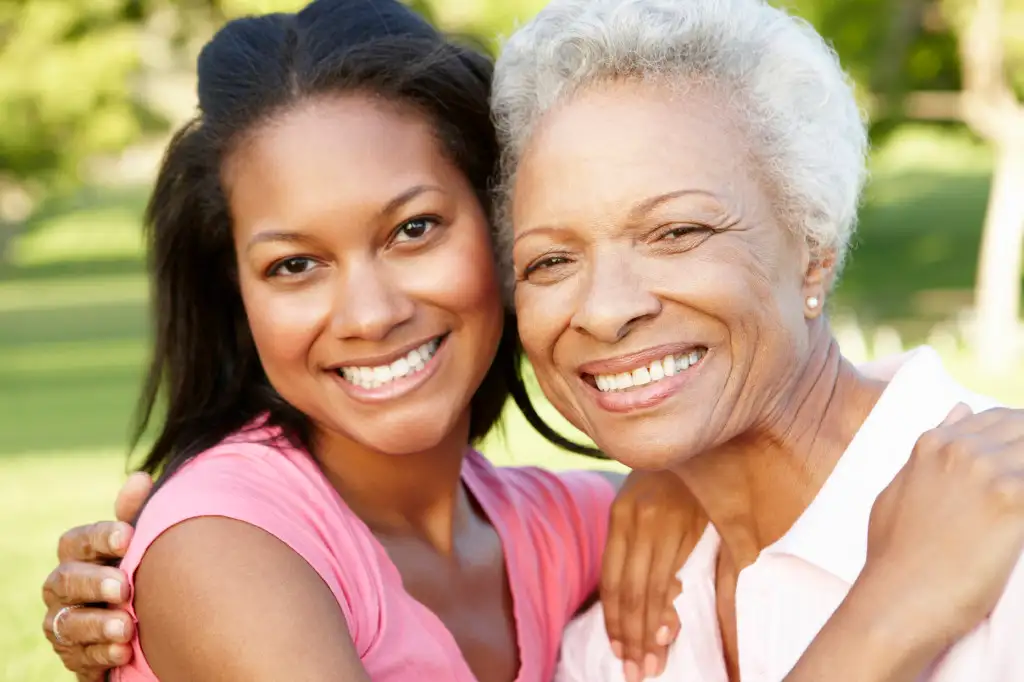
18 Simple Pleasures to Share with Your Aging Parents (duckboardsandstilts.com) Today, when you’re done reading this message, please take the healthy5 minutes of your time to reach out to your mom, or dad, or grandparent, or an aunt, a neighbor, someone you haven’t talked to for a while. Tell them you just thought about them today, that you know it’s been a while since you checked on them, that’s why you’re calling to make sure they’re doing well. Ask when will be a good time for you to come by and visit them, and do not make distance, or work or other commitments be an obstacle to the visit. If you make it a new habit to use 5 minutes of your time each day to check on an elderly relative or friend, you won’t only be putting a smile on their faces, but you will also be putting a smile on your face as well, because as you already know, smiles are contagious, and when you smile, your brain releases tiny molecules called neuropeptides to help fight off stress. It also triggers the production of other neurotransmitters such as dopamine, serotonin and endorphins which serves as a mild pain reliever, and as an antidepressant. Make it an effort to put a smile on 5 faces today by calling and checking on someone, make them feel that they still belong to this world and that many people including you still love and care about them.
-
Subscribe
Subscribed
Already have a WordPress.com account? Log in now.
 The Healthy5